Electric fireplace inserts have quietly become one of the most practical upgrades for apartment and condo living. They slip into existing openings, or mount cleanly on a wall, and deliver flame effects with consistent heat, little maintenance, and no need for a chimney. Owners and property managers appreciate the simplicity. Tenants and condo residents enjoy the ambiance without worrying about carbon monoxide, gas lines, draft issues, or ash.
The case for electric inserts isn’t just about convenience. It’s about the realities of shared buildings, building codes, and the cost of ownership over time. Having installed, serviced, and inspected fireplaces in a mix of urban mid-rises and suburban townhome communities, I’ve seen where gas fireplaces make sense, and where they complicate life. When space is limited and exhaust paths are constrained, electric typically wins on safety, compliance, and operating cost control.
Where an Electric Insert Fits in Multifamily Life
A typical apartment or condo brings constraints a single-family home doesn’t. You’re bound by association rules. Fire-rated walls and penetrations are closely monitored. Vent terminations can’t mar the facade. You share electrical and mechanical spaces with neighbors. Those realities narrow options for any fireplace installation.
Electric fireplace inserts sidestep most of the hurdles. They don’t require a flue. They don’t need a dedicated gas line. They can be installed into an existing fireplace cavity, framed into a bump-out, or surface-mounted as a decorative unit. The flexibility matters when you can’t run new venting or punch through exterior cladding.
Some older buildings have masonry fireplaces that were bricked off or declared decorative only after code changes tightened. An electric fireplace insert can revive that dead box. In units with no fireplace at all, a recessed, hardwired insert creates a focal point that looks built in without the structural work that a vented gas fireplace needs.
I once worked with a 1970s condo tower where the original wood-burning fireplaces had been capped decades earlier. Owners missed the hearth, but the association wouldn’t allow reactivation due to smoke migration between units. An electric insert program across the building solved the problem. The board approved a standard hardwired model. Tenants got living rooms that looked warm again. Complaints about cold drafts dropped, because the old flues were finally sealed for good.
Flames, Heat, and the Reality of Electric Performance
When you install an electric unit for the first time, the biggest surprise is how far the visual tech has come. Early models looked cartoonish. Modern electric fireplace inserts use multi-layered LED lighting, backlit ember beds, and variable flame speeds that convincingly mimic dancing flames. Some units add crackling sound tracks. The visual effect is subjective, but good models can fool the eye from across the room at night.
Heat output is controlled and predictable. Most electric inserts draw 1,200 to 1,500 watts on their heater setting, which translates to about 4,000 to 5,100 BTUs. That’s supplemental heat for a living room or bedroom, not whole-home heating. In a tight 500 to 700 square foot apartment, you’ll notice a cozy bump of warmth on a chilly evening. In larger open plans, the heat is more localized, which is often what you want in a multifamily building with central HVAC.
Because there’s no combustion, you avoid the two pain points of real flames: indoor air degradation and moisture balance. No soot. No negative pressure concerns. No downdraft issues. If you’ve ever tried to fix a cold draft from a dormant chimney in a mid-rise, you know the value of a sealed insert. With an electric fireplace insert, the box stays shut, and the building envelope stays stable.
There’s also a quality-of-life benefit that owners underestimate. You can run flame effects without heat. That means the living room still feels welcoming in July, without forcing your air conditioner to fight a gas burner. People use the fireplace more often because it fits more situations.
Safety in Shared Buildings
Safety is where electric units excel. Gas fireplaces can be safe when installed and maintained properly, but they introduce combustion, venting, and fuel supply into a multi-tenant environment. That means more permits, more inspections, and more places for something to drift out of tolerance. Electric fireplace inserts simplify the risk profile.
The common hazards to consider in apartments and condos include heat near combustibles, overcurrent on circuits, and unattended operation. A good electric insert builds mitigation into the design. Cool-touch glass, tip-over and overheat protection, and timer shutoffs come standard in many models. When hardwired to a dedicated circuit, the unit’s amperage draw is known and stable. Group that with AFCI and GFCI protection per code, and you reduce the chance of nuisance trips and hazards.
Associations and property managers often have rules restricting fuel-burning appliances. Gas fireplaces or gas fireplace inserts can trigger stricter ventilation requirements, carbon monoxide monitoring in common corridors, and more complex maintenance logs. Electric fireplace inserts generally fall under appliance rules instead of fuel-gas codes, which shortens the approval path for renovations, especially in units stacked around mechanical chases that you’d rather not touch.
One caution I give boards and owners: don’t assume any electric unit is plug-and-play. The cheap plug-in models can overload a shared 15-amp circuit if the unit shares that circuit with a window AC or a kitchen receptacle loop. A pre-installation walk-through and a quick load calculation avoids nuisance trips and hot cords. In many condos, the wisest route is a hardwired 120-volt unit on a dedicated 15- or 20-amp breaker with clear labeling at the panel.
Cost Profile: Purchase, Installation, and Ownership
Electric fireplace inserts cost less to buy and install than vented gas fireplaces in almost every scenario I’ve seen. A quality electric insert for a condo typically runs in the mid hundreds to low thousands. Add a custom surround or millwork, and you might reach a few thousand for a premium effect wall. By contrast, a gas fireplace or gas fireplace insert may require a new gas line, venting through an exterior wall or roof, fire-stopping, and city inspections, which can push total installed cost well into the five-figure range, especially in taller buildings.
Operating costs depend on usage and your local utility rates. The flame effect without heat sips power, often under 60 watts, which is roughly the same as a light bulb. When you turn on the heat, the draw jumps to 1.2 to 1.5 kW. If you pay 18 cents per kWh, an hour of heat costs around 22 to 27 cents. Many residents use the heat mode for short bursts, then keep the visuals running. Over a winter, the total might be comparable to running a space heater judiciously, but with far better aesthetics and safer placement.
Maintenance is where electric units shine. There’s no need for a chimney cleaning service, no gas line pressure checks, and no burner adjustments. The most you’ll do is dust the intake, vacuum the unit occasionally, and replace a remote battery. In heavy-use properties, I recommend an annual quick check alongside smoke and CO alarm testing. Compare that to gas fireplaces, where even sealed, direct-vent systems benefit from yearly checks for pilot performance, flame quality, and vent integrity. Chimney inspections may be minimal for a fully sealed direct-vent system, but they’re not zero, and any vented system lives or dies by the quality of its terminations and seals in a windy facade.
Compliance and the Permitting Maze
A recurring phone call from condo owners goes like this: “The board wants to approve it, but they’re not sure what the city needs.” Electric inserts usually track as appliance or minor electrical projects, while gas fireplaces trigger fuel-gas permits and often mechanical permits for vent penetrations.
Even with electric, respect the process. Confirm the unit’s listing, usually UL or CSA. Check clearance requirements. If the insert is recessed into a wall, follow non-combustible surround dimensions and internal cavity ventilation rules. Hardwired units need a permit in many jurisdictions. The goal is not to make the city inspector happy for one day, but to create a record that keeps future buyers and insurers comfortable. Nothing kills a closing faster than a red flag on unpermitted mechanical work.
If you are converting an old wood-burning box to electric, deal with the flue. Cap and seal it at the top, insulate or block off to stop stack effect, and document the conversion. A tidy file with photos and a simple note from your installer helps later when a buyer’s agent asks if the fireplace is safe to use.
When a Gas Fireplace Still Makes Sense
Gas fireplaces hold an edge in specific scenarios. If your building already has a gas fireplace and properly routed venting, replacing it with a newer, efficient gas fireplace insert can yield better heat and high real-flame satisfaction. In cold climates, a direct-vent gas unit with 20,000 to 30,000 BTUs can materially heat a large living area, potentially lowering the load on central heat. Some buyers insist on real flame. For them, it’s part of the value proposition.
I worked on a low-rise condo community with private exterior walls facing a greenbelt. The association allowed sidewall terminations, and every unit already had gas service for cooking. There, upgrading to a modern gas fireplace insert made perfect sense. Vent lengths were short and straight. We performed west inspection chimney sweep evaluations on a few suspect terminations, found two with bird nests, corrected clearances, and then standardized the configuration across the community. The result was consistent operation and fewer service calls each winter.
In high-rises, the calculus flips. Vent lengths grow, penetrations become complex, and façade aesthetics can force pricey architectural terminations. Electric fireplace inserts win most of those battles on practicality and approval speed.
Selecting the Right Electric Fireplace Insert
A little diligence at the front end pays off for years. Look for a unit with a believable flame, quiet operation, and flexible controls. You want multiple flame colors only if they’re subtle. The best units look good in the default amber setting, with realistic ember beds and logs. If the fan hum is obvious at low heat, keep shopping.
Measure your opening carefully if you’re retrofitting an existing hearth. Electric fireplace inserts come in standard widths, but small variations in surround trim make or break the look. If you’re doing a wall recess or a new focal wall, plan the framing depth to the manufacturer’s spec. Depth https://www.safehomefireplace.ca/fireplaces/gas/gas-stoves/ affects both the visual effect and the unit’s ability to breathe. People sometimes over-insulate the cavity, which can trap heat around the heater intake. Follow the manual.
Heat output should match the room’s use. For a bedroom, quieter and lower output can be nicer, since you’ll often run flame-only. For a large living area, pick the full 1,500-watt heater. And decide early whether you want a plug-in unit or a hardwired one. Hardwired looks cleaner, eliminates exposed cords, and avoids shared receptacles. It requires an electrician, but in a condo, that extra step earns its keep.
Smart controls are a nice bonus but not essential. A simple remote with timer, flame intensity, and heat on/off handles most needs. App control can be handy in a rental unit so you can verify the fireplace turned off after a guest checkout.
Installation: What to Expect, What to Avoid
Most electric fireplace installations take a few hours to a day, depending on wall work. A direct insert into an existing fireplace opening is fast, assuming power is already nearby. For a wall recess, the longest part is building and finishing the surround. Electricians typically pull a new circuit from the panel, fish it through the wall cavity, and terminate in a junction box behind or adjacent to the unit per the manufacturer’s rules.
Common mistakes I’ve seen:
- Overstuffing insulation around the unit, which reduces air circulation and triggers overheat sensors. Sharing the fireplace circuit with a kitchen or bath circuit, which increases nuisance trips and violates code in many places. Mounting too high. The fireplace should be at a natural viewing height from a seated position, unless you’re creating a modern feature wall above storage. Ignoring clearance to soft furnishings. The glass stays relatively cool, but the heater vent throws warm air. Keep drapes and delicate materials out of that path.
Once installed, test every mode. Run heat for at least 20 minutes and make sure the unit cycles its safety features properly. If you hear rattling, the log set may need reseating. Secure the surround and finish trim so there’s no buzzing when the blower runs.
Maintenance and the Role of Inspections
One of the selling points of electric fireplace inserts is that they don’t require chimney inspections. That is accurate in the literal sense, but it’s not a free pass to forget the unit. Dust intake filters seasonally. Vacuum the interior gently once or twice a year to keep the fan clear. If you have pets, increase frequency. Listen to the blower at each season change; a growing whine can signal bearing wear.
If you’re converting an old masonry box, treat that old chimney properly. Even without combustion, a neglected flue can draft cold air and leak energy. A one-time inspection by a qualified technician, as thorough as a west inspection chimney sweep visit, identifies loose crowns, missing caps, or deteriorated liners that might still affect your unit’s efficiency and your home’s comfort. Once confirmed and properly sealed, you should not need periodic chimney cleaning service for an all-electric set-up.
In properties where gas fireplaces remain in some units, keep your service policies straight. Gas fireplaces and gas fireplaces inserts need regular checks. Document which units are electric versus gas and track maintenance accordingly. Owners and managers sometimes confuse the two and skip necessary visits, which leads to cold pilot calls on the first freezing weekend of winter.
Interior Design Considerations
A fireplace organizes a room. Electric fireplace inserts are forgiving for designers, because they let you separate the visual from the heat. That opens up furniture layouts you can’t do with a wood stove or a high-BTU gas unit that throws intense radiant heat.
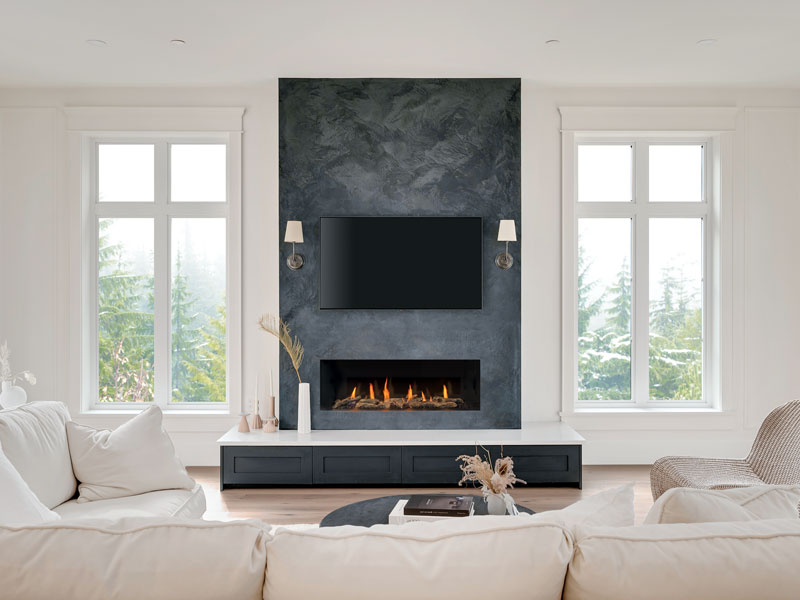
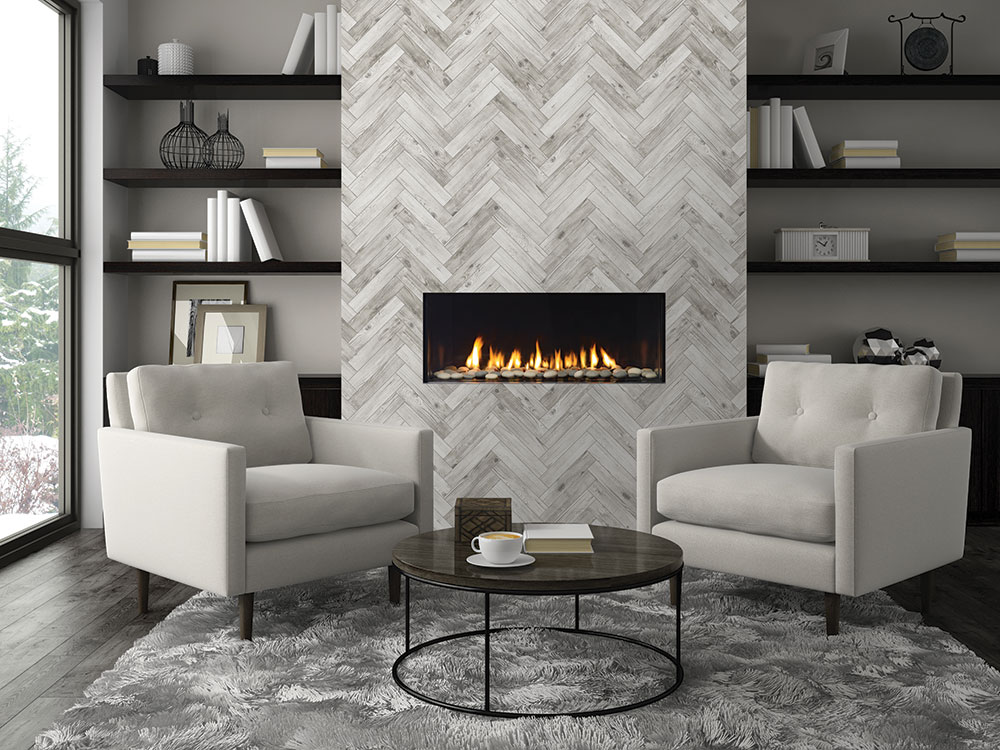
Consider the finish materials around the opening. Painted drywall works, but the fireplace looks richer with texture — stone veneer, oversized porcelain tile, plaster, or millwork. Keep materials within the manufacturer’s heat tolerance, and don’t overcomplicate the mantel. Electric flames look best with darker interiors, so a black steel inner trim often helps. If you’re hanging a TV above, check for heat wash. Most electric units vent forward or downward, which is TV-friendly, but a quick test with the heater on will confirm there’s no warm air pooling behind the set.
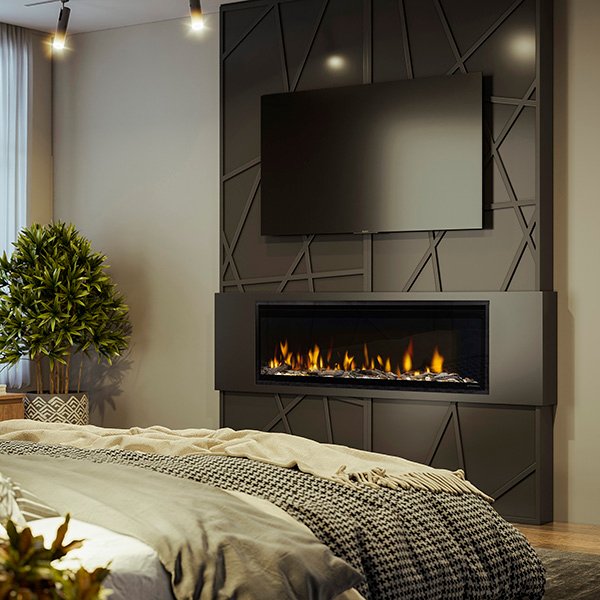
If you want a minimalist aesthetic, a frameless insert with a razor-thin surround pulls off the look. If you’re replacing a traditional hearth, a classic surround and mantel retains the original character. In smaller bedrooms, a wall-mounted, shallow unit can act like artwork. The key is scale. A tiny unit on a vast wall looks lost. A very large unit in a small room dominates. Tape outlines on the wall at different widths and heights, sit down, and live with it for a day before committing.
Environmental and Building Efficiency Angles
Electrification is a moving target, but it’s fair to say that many buildings are trending that way, especially in urban areas where gas infrastructure is under scrutiny. Electric fireplace inserts fit the direction of travel. They align with policies that discourage new gas lines, and they help avoid combustion in living spaces.
The environmental math depends on your grid. If your electricity comes from a low-carbon mix, running the fireplace for ambiance has a small footprint, especially in flame-only mode. Even with a fossil-heavy grid, the energy draw for flames without heat is modest. Compare that to a vented gas fireplace, which burns fuel whenever you want the look, even if you don’t want much heat. In a tight building, the byproduct of vented gas also includes dry indoor air and potential make-up air needs, which can nudge HVAC use.
Sealing off an old, leaky chimney after converting to an electric fireplace insert often improves comfort. Stack effect through a tall flue can pull conditioned air out of your apartment all winter. Once capped and insulated, drafts around the old hearth drop, and you may notice a quieter living room as street noise has fewer paths in.
Working With Pros: Who Does What
Even though electric fireplace projects are simpler, get the right people in the loop. A licensed electrician should handle new circuits and hardwiring. A fireplace installation contractor or finish carpenter should manage the framing and surround, especially if you’re cutting into structural walls or adding a mantel. If you’re decommissioning a wood or gas unit, bring in a technician experienced in both gas fireplaces and electric fireplace inserts to close out lines and document changes.
Avoid the “I’ll just plug it in and see how it goes” approach in a condo. You might get lucky, but you could also create a headache for the unit above or below if your wiring choices induce nuisance trips or overloads. Have the contractor provide a simple one-page record of the install, including model number, circuit details, and clear photos. This document becomes gold when you sell.
A Quick Owner’s Checklist
- Confirm building and association rules. Get written approval if required. Decide on hardwired versus plug-in. Plan a dedicated circuit for heat mode. Pick a unit after seeing it in person, not just online photos. Verify clearances, framing depth, and ventilation needs against the manual. Seal or properly decommission any existing chimney or gas line.
The Bottom Line for Apartment and Condo Owners
If you want the glow of a fireplace without the red tape and mechanical complexity, electric fireplace inserts deliver. They look better than most people expect, they heat enough to take the edge off, and they fit neatly into the constraints of shared buildings. For properties that already have functional, well-vented gas fireplaces, a gas fireplace insert upgrade can still make sense. But where venting is limited, where association rules lean conservative, or where cost certainty matters, electric fireplace inserts are the smart choice.
I’ve watched tenants turn a sterile living room into a gathering spot with a single afternoon of work and a clean-lined electric unit. No soot on the mantel, no service calls in the first snow, no anxiety about odors or downdrafts. Just a switch, the hum of a discreet fan, and a calm flame that doesn’t fight the AC in July. In multifamily life, that sort of reliability counts as much as the glow.